

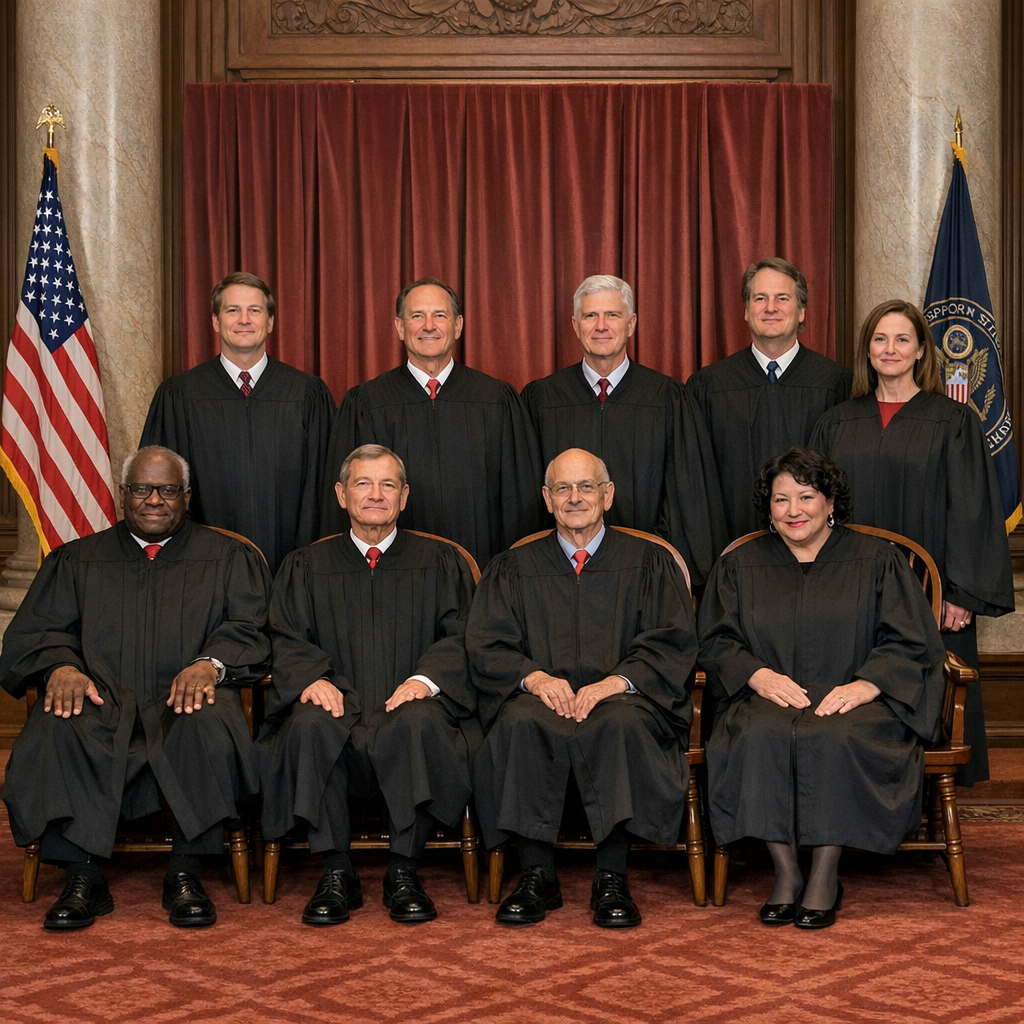
Many of the legal shifts out of Washington lately stem from major decisions by the U.S. Supreme Court that affect how power is divided in Washington, who gets a say in immigration, and how independent agencies operate. These rulings may seem distant, but they have real implications for folks in Grand Marais and across the country.
What’s Changing: Presidential Power and Independent Agencies
The Court recently backed rulings that expand the power of the president over federal regulatory agencies. In several 6–3 decisions, justices struck down long-standing protections that insulated agency heads from political removal without cause. This means presidents now have greater authority to hire and fire leaders of bodies like the Federal Trade Commission and others, shifting them from more stable, independent bodies to ones more directly tied to the executive branch. At the same time, the Court preserved the independence of the Federal Reserve, leaving certain checks in place.
Immigration Rulings and Their Impacts
Two major decisions gave the Trump administration more room to act on immigration matters. One upheld the power to terminate temporary protected status for certain groups, affecting over a million immigrants. Another lets federal officials refuse asylum applications at the U.S.–Mexico border until migrants physically cross into the country. These rules alter who qualifies for legal protections and how border enforcement can be carried out.
Limits and Pushback
Even as the president gains power in some areas, the Supreme Court pushed back on other major initiatives. A notable case turned aside an executive order trying to curb birthright citizenship, pointing out that such a change would likely require Congressional action or a constitutional amendment. Another ruling rejected claims that the president could set sweeping tariffs unilaterally under emergency authorities—legislation from Congress remains central to trade powers.
What These Changes Mean for Everyday Americans
- Everyday Costs & Prices: Tariff rulings and trade decisions influence what we pay for imports like electronics, clothing, appliances, and food. Changes in presidential authority over agencies could mean more volatile regulatory policy shifts.
- Immigration & Community: Individuals with Temporary Protected Status may have their legal status at risk. People seeking asylum may face tougher pathways, especially near the border.
- Democracy & Institutions: As presidential control over federal agencies increases, so does the importance of checks and balances—Congress, courts, and public oversight become more central.
- Long-Term Stability: Inconsistent leadership in independent bodies may affect everything from oversight of consumer protections to regulatory enforcement of safety, environmental rules, or financial markets.
What to Watch Next
There’s more to come. The legal landscape is still being shaped. Look out for cases that test limits on executive power, more legislation from Congress to respond to recent rulings, and states testing boundaries of immigration and regulatory authority.
Whatever your stance, these are not abstract changes. They affect institutions you rely on—courts, regulatory bodies, your representation. Paying attention now gives you more leverage later.