

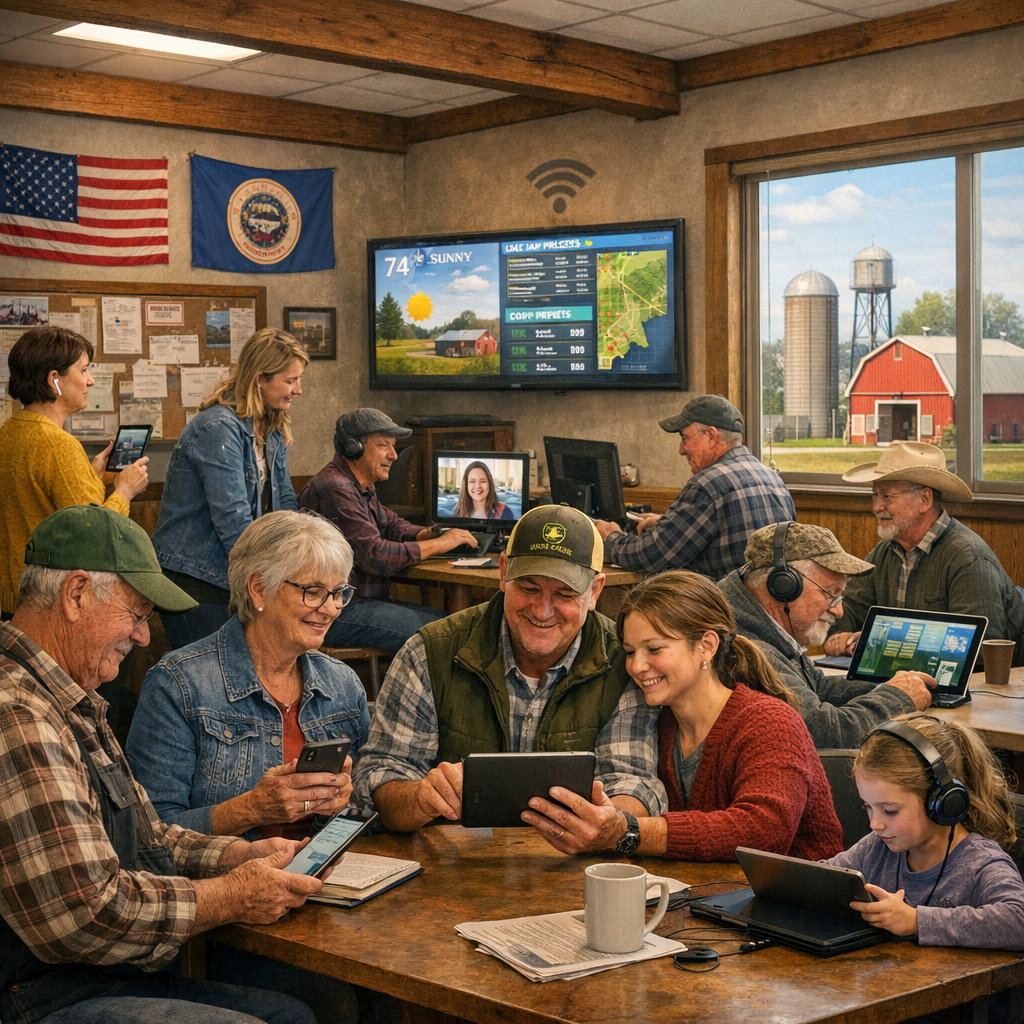
In the heart of Minnesota, rural communities like Grand Marais are experiencing a technological renaissance. The integration of advanced technologies is not only enhancing daily life but also opening new avenues for economic growth and education.
Enhancing Connectivity
Access to high-speed internet has been a longstanding challenge for rural areas. However, initiatives aimed at expanding broadband infrastructure are making significant strides. Improved connectivity allows residents to engage in online education, telehealth services, and remote work opportunities, thereby bridging the urban-rural divide.
Educational Advancements
Local schools are incorporating technology into their curricula, providing students with digital literacy skills essential for the modern workforce. Programs introducing Smart and Connected Technologies (SCTs) enable students to address local challenges through innovative solutions, fostering a culture of problem-solving and entrepreneurship.
Economic Opportunities
The tech industry in Minnesota is thriving, with numerous startups emerging in recent years. Organizations like BETA, an early-stage accelerator, support technology founders by providing resources and mentorship. BETA has accelerated the success of over 330 startups, contributing to the state’s economic vitality.
Moreover, the Minneapolis–Saint Paul region boasts a dynamic venture ecosystem, with over 50 venture capital firms and a combined startup valuation of $56 billion. This environment offers ample opportunities for entrepreneurs and investors alike.
Challenges and Considerations
While technology brings numerous benefits, it also presents challenges. The development of data centers in rural areas, for instance, can lead to concerns over land use and resource management. It’s crucial for communities to engage in informed discussions to balance technological advancement with environmental and social considerations.
As Grand Marais and similar communities continue to embrace technology, it’s essential to ensure that these advancements are inclusive and sustainable, fostering growth while preserving the unique character of rural Minnesota.