

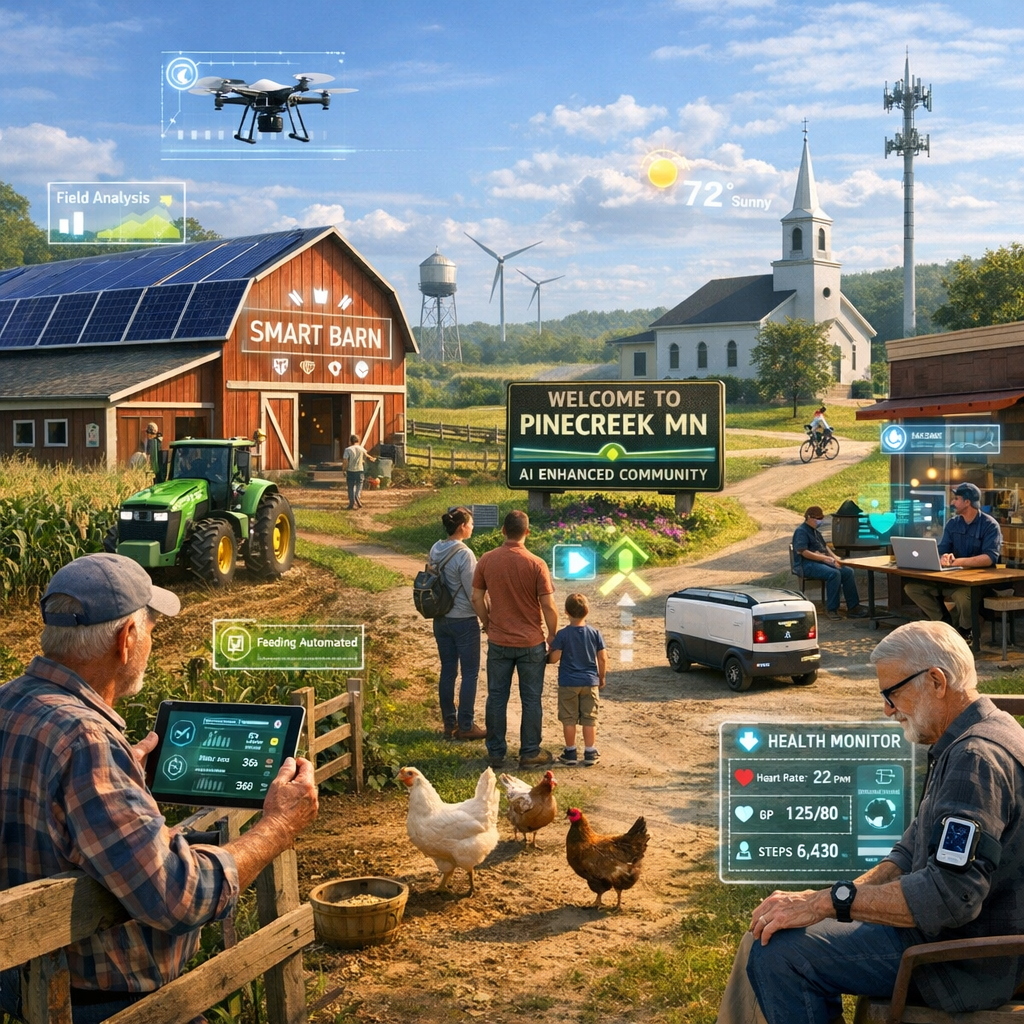
In the heart of Minnesota, rural communities like Grand Marais are experiencing a technological renaissance. The advent of artificial intelligence (AI) and the rise of tech startups are not just urban phenomena; they are reshaping the economic and social fabric of rural areas as well.
The Rise of AI Startups in Minnesota
Minnesota has become a fertile ground for AI innovation. Companies such as Inspectorio and Blank Metal, both based in Minneapolis, are leading the charge. Inspectorio offers cloud-based solutions for quality and compliance management, while Blank Metal specializes in AI-driven software development. These companies exemplify the state’s growing reputation as a hub for AI startups.
Impact on Rural Communities
The influence of these technological advancements extends beyond urban centers. Rural areas are leveraging AI to address unique challenges and opportunities. For instance, initiatives like the Productivity Enhancing Technology Experience Kits (PETE-Kits) have been introduced to rural high schools, aiming to equip students and teachers with skills in Smart and Connected Technologies (SCTs). This program has shown promise in increasing comfort with technology and fostering entrepreneurial aspirations among students.
Moreover, broadband connectivity has been a game-changer for rural communities. Studies have shown that access to high-speed internet facilitates social networking, which in turn builds and maintains social capital in these areas. This connectivity enables residents to engage in online education, telehealth services, and e-commerce, thereby enhancing their quality of life.
Challenges and Opportunities
Despite these advancements, challenges remain. Factors such as lack of awareness, limited digital skills, and the high cost of devices and internet services can hinder the adoption of technology in rural areas. Addressing these issues requires targeted training programs, policy initiatives to reduce costs, and efforts to raise awareness about the benefits of digital services.
On the flip side, the integration of AI and technology in rural communities presents numerous opportunities. It can lead to the creation of local tech jobs, attract investment, and foster a culture of innovation. By embracing these technologies, rural Minnesota can bridge the digital divide and ensure that its communities thrive in the digital age.
In conclusion, the intersection of AI, startups, and rural communities in Minnesota is a testament to the transformative power of technology. As these trends continue, they hold the promise of revitalizing rural economies and enhancing the daily lives of residents.